
Available on the App Store



Our content to help you buy your home.

The Most Beautiful Fishing Villages and Islands of the Azores

Living in the Azores: daily life between volcanoes, ocean and pristine nature

Real estate market in the Azores: prices in the Atlantic archipelago

Where to buy property in the Azores: São Miguel, Terceira or Pico?

Portalegre’s Most Beautiful Fortified Villages
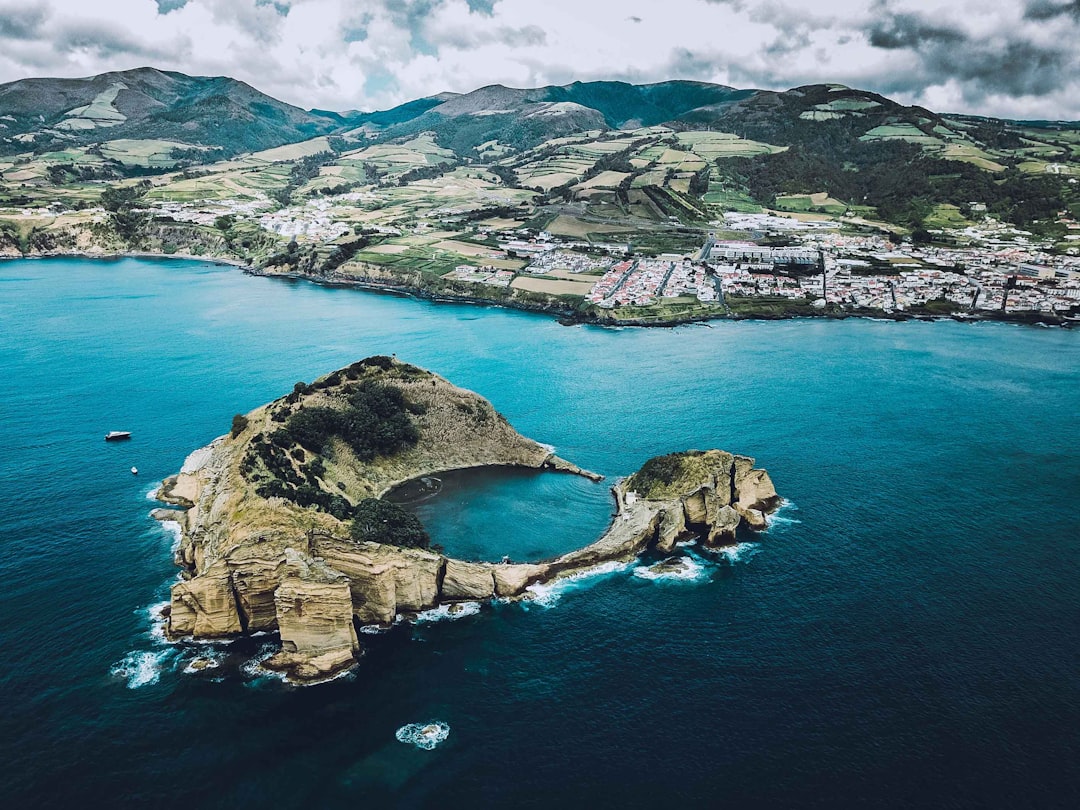
Located about 1500 km off the coast of Lisbon, the Azores offer a breathtaking landscape. Basalt cliffs and volcanic lakes (the Azores are overlooked by the Ponta do Pico volcano, the highest peak in Portugal), will delight hikers in search of unspoilt landscapes. Real estate in the Azores usually offers magnificent sea views, such as the houses in Sao Roque de Pico, or the new villas built on the island of Sao Miguel. Be careful, real estate is on the rise again, so don't think too long if you want to buy a house in the Azores!

São Miguel Island, The Azores, Portugal
Discover our departments

Ponta Delgada

Ribeira Grande

Lajes do Pico
Angra do Heroísmo

Madalena

Povoação
Facing the Atlantic, Ponta Delgada combines a marina, gardens and historic houses in the parishes of São Sebastião and São Pedro. Portas da Cidade and Forte de São Brás mark the centre.
Fajã de Baixo and Livramento are close to sandy beaches; Capelas and Mosteiros feature natural swimming pools. Sete Cidades and Lagoa do Fogo are nearby, on the island that is part of the Azores Geopark, a UNESCO Global Geopark.
Served by João Paulo II airport, the city is connected to the rest of the island and the mainland. Cozido das Furnas, greenhouse pineapple and fresh fish punctuate daily life.
In the north of São Miguel, Ribeira Grande faces the Atlantic with Praia de Santa Bárbara and trails leading to Lagoa do Fogo. Caldeira Velha offers thermal waters among ferns and laurisilva.
Maia and Porto Formoso feature tea plantations, with the Gorreana Tea Factory still grinding leaves. In the centre, Igreja Matriz and the Ponte dos Oito Arcos mark the landscape.
Ponta Delgada, with João Paulo II airport, eases arrivals and departures. The Azores are part of the UNESCO Global Geopark. Flavours of pineapple, limpets and tea complete daily life.
In the southeast of Pico Island, Lajes do Pico opens onto lava and sea landscapes, with the village of Lajes, Calheta de Nesquim and Piedade marking the coast. Natural pools in São João and sheltered bays invite swimming and whale-watching from the harbour.
The whaling memory lives on at the Museu dos Baleeiros, while Mount Pico dominates the horizon. The Vineyard Culture Landscape of Pico Island is UNESCO-listed. Ferry links to Faial and São Jorge and Pico Airport provide access.
Madalena and São Roque do Pico are nearby by road. At the table, grilled limpets, tuna, Pico cheese and Verdelho lend flavour to a life turned toward the Atlantic.
Azorean city with a historic center classified as a UNESCO World Heritage Site, Angra do Heroísmo unfolds stone streets, manor houses and Monte Brasil protecting the bay.
The Sé and São Pedro areas, the Marina and Rua Direita offer a peaceful urban life; nearby, Praia da Vitória, the natural pools of Biscoitos and Serra do Cume broaden the horizons.
Served by Lajes Airport, Terceira combines sea and green with trails leading to Algar do Carvão. At the table, you can enjoy the island's alcatra, Dona Amélia queijadas and the verdelho from Biscoitos.
Facing the Atlantic, Madalena unfolds sandy beaches and boardwalks across the dunes of the Vila Nova de Gaia coast. Praia da Madalena and neighbouring beaches such as Miramar, Aguda and Granja attract surfing, seaside walks and long sunsets.
With Porto nearby, whose Historic Centre is a UNESCO World Heritage Site, it benefits from access via the A44 and A1 and from Francisco Sá Carneiro Airport. The Port wine cellars in Gaia and Afurada, famed for its grilled fish, complete daily life.
In a calm-paced Portuguese landscape, povoacao (district) unfolds with streets of white houses, shaded squares and close-knit neighbourhoods. The historic centre intersects with newer residential districts and small agricultural hamlets with traditional trades and markets.
In the surrounding area, historic towns and the district capital provide shops, services and culture. Cafés, taverns and restaurants celebrate soups, cured meats and convent pastries, while regional buses connect to other localities and the national network.
Discover our property types

Land

Houses with gardens

House with a pool

Countryside house

Apartments

Houses
Real estate agencies
You are an estate agent and you want to promote your listings?


